

 Predictions
After showing Enzo Maresca the exit door less than six months after he guided Chelsea to Club World Cup glory in the United States, the Blues appear to have already settled on their next head coach.
But even before an appointment is confirmed, familiar questions are resurfacing. Can any manager truly survive under Chelsea’s current structure, where sporting directors appear to hold ultimate authority and head coaches have limited influence?
Once again, Chelsea seem to have opted for the path of least resistance.
Also Read



Rather than conducting a wide-ranging managerial search, the club are set to appoint someone already embedded within the BlueCo ecosystem — just at a different club.
Rosenior the Obvious, If Uninspiring, Choice
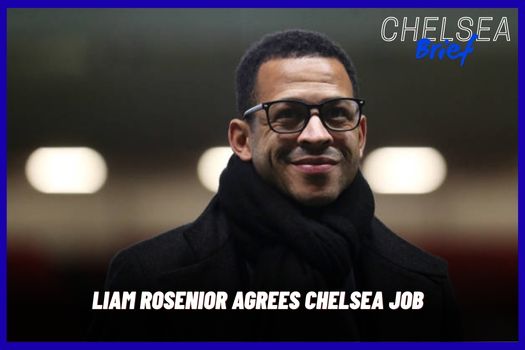
Liam Rosenior emerged as the immediate favourite following Maresca’s dismissal. At the time, many Chelsea supporters hoped it was merely media speculation — an easy link rather than a genuine plan.
On paper, Rosenior’s CV does little to inspire confidence for a job of Chelsea’s stature. His managerial experience includes Hull City and a currently mid-table Strasbourg side in Ligue 1. That résumé would not normally place a coach at the front of the queue for one of Europe’s biggest clubs.
But this ownership group has consistently prioritised structure over status. Proven winners have not been the priority — alignment has. Viewed through that lens, Rosenior’s rise has felt almost inevitable.
Rosenior Agrees to Take Chelsea Job
According to TEAMtalk, Rosenior has now informed Chelsea that he is ready to take charge at Stamford Bridge.
Crucially, when he signed a new contract with Strasbourg in April, it was reportedly made clear that BlueCo viewed him as a long-term successor to Maresca. Few could have predicted just how quickly that succession plan would be accelerated.
And that leads back to the same recurring concern:
Is this a club where any manager can realistically build something long-term?
A Familiar Chelsea Cycle
Maresca, despite his abrupt exit, was already attracting interest from clubs such as Manchester City and Juventus. He is unlikely to be out of work for long and will probably thrive elsewhere if given the right tools — something Chelsea rarely afforded him consistently.
But what happens if Rosenior succeeds?
If he delivers strong results, bigger clubs will inevitably take notice. Does Chelsea then repeat the cycle? Another departure, another internal promotion, another “project reset”?
Under Roman Abramovich, this ruthless managerial churn was justified by trophies. Under the Clearlake-Boehly ownership, there is no such defence. Chelsea have spent record sums, yet results and direction continue to regress.
The concern now is not simply whether Rosenior is the right man — but whether the role itself has become impossible, regardless of who occupies it.








 Fixtures and Results
 Transfers
 Injuries
 Chelsea Academy
 Chelsea Women